Past Event: Molecular BioPhysics Seminar Series
The influence of membrane lipids on GPCR signaling
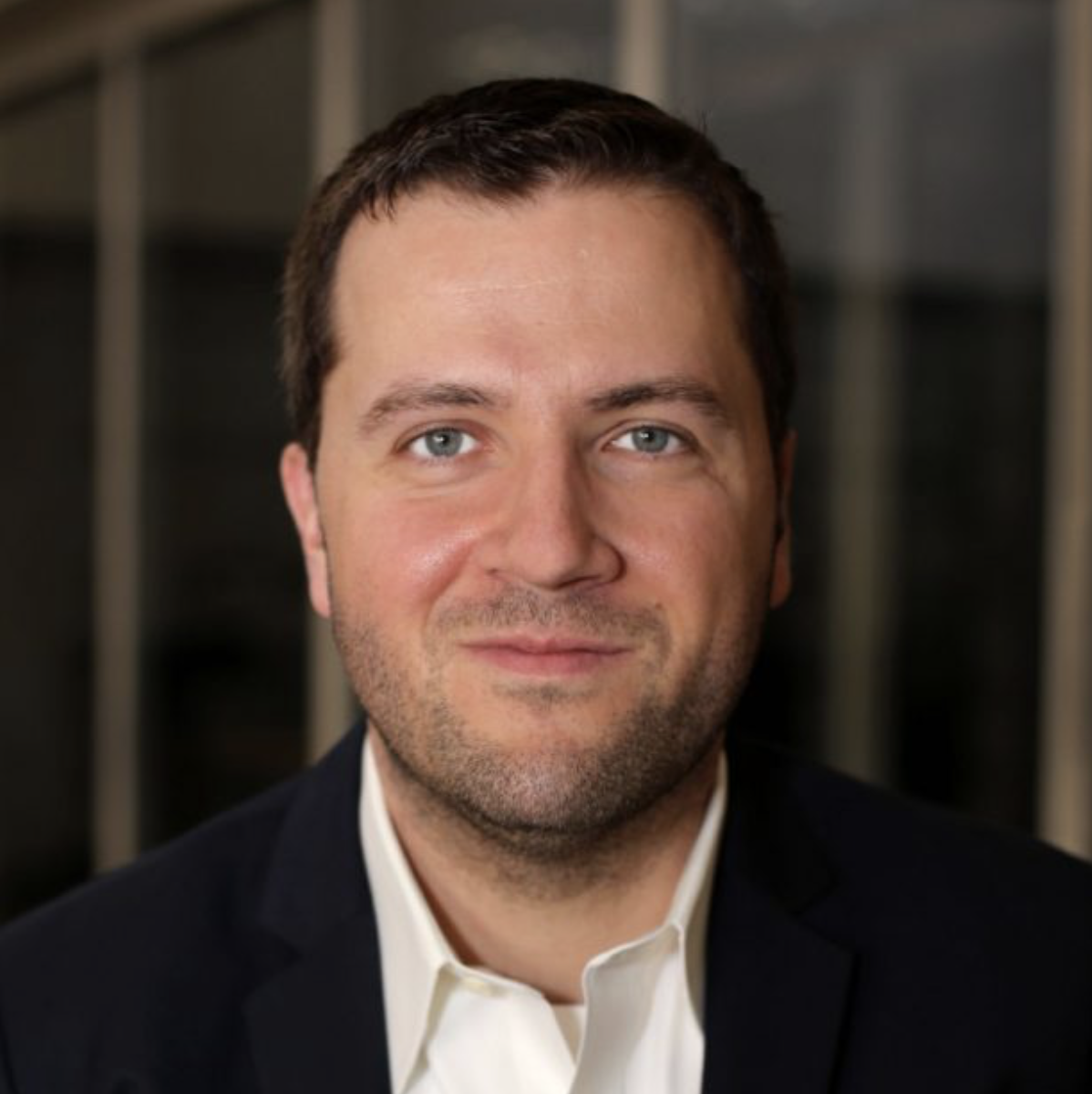
Matthew Eddy, University of Florida
2 – 3:30PM
Monday Mar 25, 2024
POB 6.304
Abstract
A growing body of literature from biophysical studies has highlighted the special roles of membrane lipids as endogenous regulators of G protein-coupled receptor (GPCR) signaling. Earlier spectroscopic studies showed GPCRs exist in a function-related equilibrium of simultaneously populated conformers, the relative populations of which are regulated by bound orthosteric drugs. We now present NMR data that show membrane phospholipids and sterols also control this equilibrium with a magnitude comparable to or greater than the influence of drug efficacy with the human class A GPCR A2AAR. Integrating NMR data with correlative functional assays and molecular modeling allows us to propose a molecular mechanism explaining how lipids influence the formation of GPCR signaling complexes.
Biography
Dr. Eddy earned his undergraduate degree in Chemistry from Oberlin College, where he carried out biophysical studies under the guidance of Professor Manish Mehta to understand mechanisms of solvent-induced mechanisms of polypeptide structural changes observed by solid state nuclear magnetic resonance (NMR) spectroscopy.
During his PhD, Dr. Eddy worked in the laboratory of Professor Robert Griffin in the Department of Chemistry at the Massachusetts Institute of Technology (MIT). There, his research focused on the development of techniques to study the structures and activities of membrane proteins in native-like environments using solid state NMR spectroscopy. In particular, Dr. Eddy used magic angle spinning (MAS) NMR to study the structure and activity of the human voltage dependent anion channel (VDAC) directly in a lipid bilayer environment that mimicked the cellular membrane.
For his postdoctoral fellowship, Dr. Eddy worked jointly in the laboratories of Professor Raymond Stevens and Nobel Laureate Kurt Wüthrich at The Scripps Research Institute. Dr. Eddy’s postdoc work developed novel methods for studying function-related dynamics of human G protein-coupled receptors (GPCRs) in solution by NMR.
Dr. Eddy came to the University of Florida in the fall of 2018. His lab studies the structures and activities of human GPCRs in contexts that closely mimic the cellular environment and also directly in cells. The focus of the lab is to apply an integrative structural biology approach to unravel the effects of the cellular environment on GPCR function in cells.
Event information
Monday Mar 25, 2024